
Sort by:

The seventh edition of this pragmatic guide to determining right and wrong in the workplace is updated with new case studies, exercises, and ancillary materials.
Using a unique stakeholder-based approach, this book takes business ethics out of the theory realm and provides practical ways to analyze any business decision. Including dozens of cases, Joseph Weiss looks beyond the impacts of ethical lapses on share price and profit to focus on relationships between stakeholders, including individuals, groups, corporations, and governments.
The new seventh edition includes seven new cases and ten new Point/Counterpoint exercises, which challenge students to argue both sides of a contemporary issue. It incorporates the latest research as well as updated cases dealing with recent scandals at organizations such as Boeing, Facebook, and Uber. Professors will have access to online support, including teaching notes, PowerPoint slides, and sample tests. The book is equipped with a step-by-step guide to implementing stakeholder analysis, tips to help students apply ethical principles in their personal and professional lives, and comprehensive coverage of employee workplace issues.
Addressing relevant topics such as risk management, preferential hiring, and sexual harassment in conjunction with the digital divide, bribery, the environment, and more, Business Ethics, seventh edition explores ethical implications in today's increasingly interconnected global business environment.
Using a unique stakeholder-based approach, this book takes business ethics out of the theory realm and provides practical ways to analyze any business decision. Including dozens of cases, Joseph Weiss looks beyond the impacts of ethical lapses on share price and profit to focus on relationships between stakeholders, including individuals, groups, corporations, and governments.
The new seventh edition includes seven new cases and ten new Point/Counterpoint exercises, which challenge students to argue both sides of a contemporary issue. It incorporates the latest research as well as updated cases dealing with recent scandals at organizations such as Boeing, Facebook, and Uber. Professors will have access to online support, including teaching notes, PowerPoint slides, and sample tests. The book is equipped with a step-by-step guide to implementing stakeholder analysis, tips to help students apply ethical principles in their personal and professional lives, and comprehensive coverage of employee workplace issues.
Addressing relevant topics such as risk management, preferential hiring, and sexual harassment in conjunction with the digital divide, bribery, the environment, and more, Business Ethics, seventh edition explores ethical implications in today's increasingly interconnected global business environment.
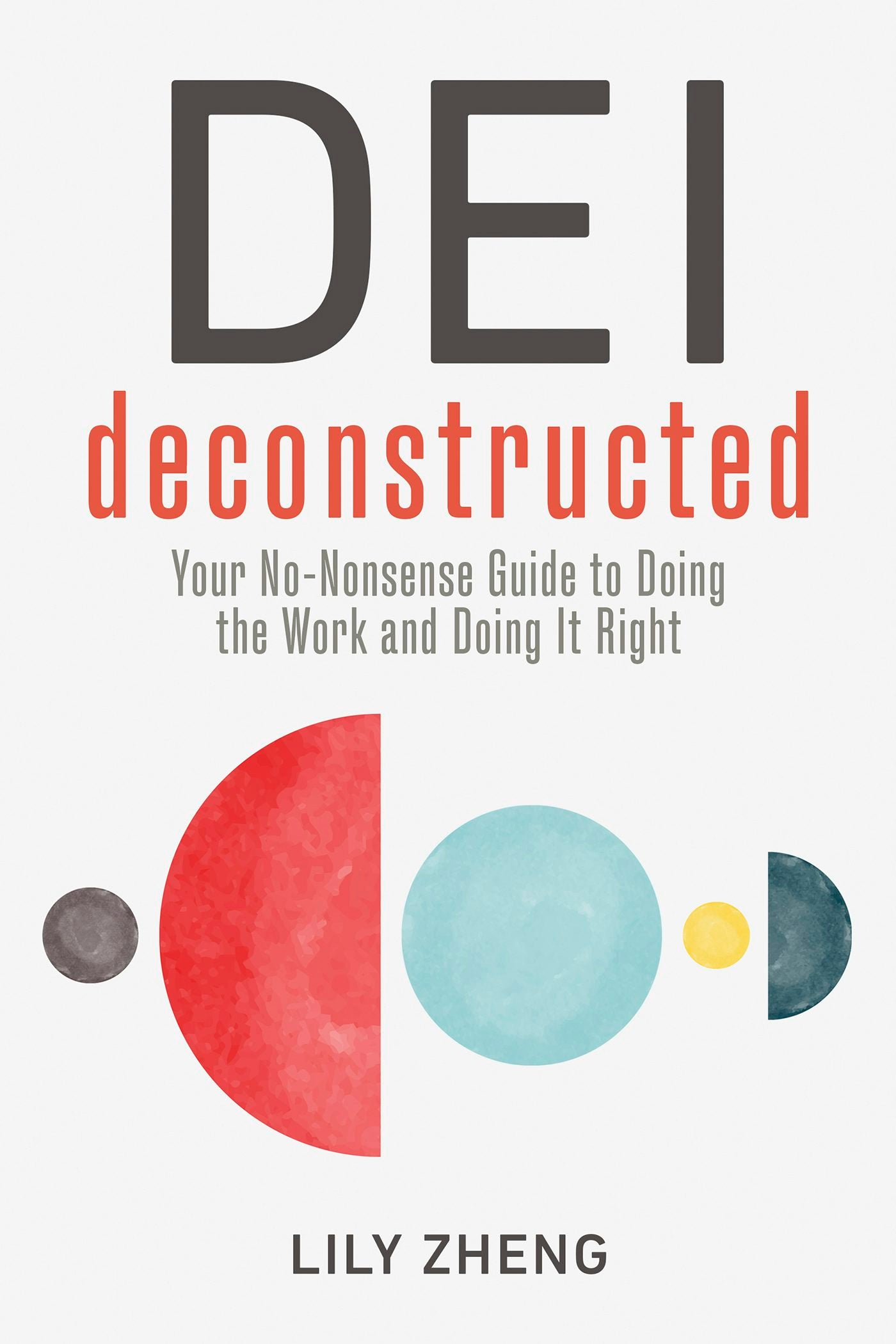
The comprehensive and foundational text for critically analyzing and applying actionable DEI techniques and strategies, written by one of LinkedIn's most popular experts on DEI.
The importance of diversity, equity, and inclusion in the workplace cannot be understated. But when half-baked and under-developed strategies are implemented, they often do more harm than good, leading the very constituents they aim to support to dismiss DEI entirely.
DEI Deconstructed analyzes how current methods and “best practices” leave marginalized people feeling frustrated and unconvinced of their leaders' sincerity, and offers a roadmap that bridges the neatness of theory with the messiness of practice. Through embracing a pragmatic DEI approach drawing from cutting-edge research on organizational change, evidence-based practices, and incisive insights from a DEI strategist with experience working from the top-down and bottom-up alike, stakeholders at every level of an organization can become effective DEI changemakers. Nothing less than this is required to scale DEI from interpersonal teeth-pulling to true systemic change.
By utilizing an outcome-oriented understanding of DEI, along with a comprehensive foundation of actionable techniques, this no-nonsense guide will lay out the path for anyone with any background to becoming a more effective DEI practitioner, ally, and leader.
The importance of diversity, equity, and inclusion in the workplace cannot be understated. But when half-baked and under-developed strategies are implemented, they often do more harm than good, leading the very constituents they aim to support to dismiss DEI entirely.
DEI Deconstructed analyzes how current methods and “best practices” leave marginalized people feeling frustrated and unconvinced of their leaders' sincerity, and offers a roadmap that bridges the neatness of theory with the messiness of practice. Through embracing a pragmatic DEI approach drawing from cutting-edge research on organizational change, evidence-based practices, and incisive insights from a DEI strategist with experience working from the top-down and bottom-up alike, stakeholders at every level of an organization can become effective DEI changemakers. Nothing less than this is required to scale DEI from interpersonal teeth-pulling to true systemic change.
By utilizing an outcome-oriented understanding of DEI, along with a comprehensive foundation of actionable techniques, this no-nonsense guide will lay out the path for anyone with any background to becoming a more effective DEI practitioner, ally, and leader.

The co-founder of Harvard's Global Negotiation Initiative and a renowned global guru in negotiations, presents a dynamic strategy for overcoming stalled or failed negotiations that empowers individuals to return to the table with increased strength and resilience, carefully learning from the challenges they encountered.
When negotiations fail it can be hard to start over. Some people give up, others forget and move on, but the truly successful negotiator learns. Celebrated negotiation thought-leader and advisor to the UN Mediation Unit, Joshua N. Weiss, introduces an evidence-based model for when negotiations stall or fail.
Getting Back to the Table explores the reality of failure in negotiation. It lays out the types of failure that can happen, how to cope with it when it does, and how we can be resilient in the face of it. Using Weiss's easy-to-use framework, readers can successfully get back to the negotiation table. Failing in negotiations is inevitable, but learning and growing from failure is not.
When negotiations fail it can be hard to start over. Some people give up, others forget and move on, but the truly successful negotiator learns. Celebrated negotiation thought-leader and advisor to the UN Mediation Unit, Joshua N. Weiss, introduces an evidence-based model for when negotiations stall or fail.
Getting Back to the Table explores the reality of failure in negotiation. It lays out the types of failure that can happen, how to cope with it when it does, and how we can be resilient in the face of it. Using Weiss's easy-to-use framework, readers can successfully get back to the negotiation table. Failing in negotiations is inevitable, but learning and growing from failure is not.

The first and only comprehensive resource designed to empower everyday people with insider knowledge on moving money for a more equitable economy.
The money myths end here.
We don't need to choose between creating meaningful wealth for ourselves and our families today, or supporting social movements creating a better tomorrow. We don't all need to become certified financial “experts” to be economically empowered and make a real difference in our communities. And we're far from powerless when it comes to changing the financial system, just because we don't happen to belong to the 1%. Quite the opposite.
Financial activism is how everyday people radically reimagine money as a tool for widespread well-being, instead of a weapon of absurdly increasing inequality. It's the antidote to traditional finance that evokes confusion, trauma, and (in the best-case scenario) straight-up boredom. It's how we-the underestimated-collectively resist systems that cause harm to people and the planet for the sake of profit, reclaim wealth that's been stolen, and redesign our relationships with capital and one another, in ways big and small.
Going beyond tried financial literacy, The Financial Activist Playbook offers eight accessible, actionable, “choose-your-own-adventure” strategies for readers to experiment with. Drawing on timely insider knowledge from the worlds of impact investing, social justice, and more, Rashid illuminates a treasure trove of stories: demonstrating how people power can flow big bucks out of extractive industries, and into the economy of care and abundance we deserve.
Playbook readers will be equipped to start visualizing and influencing the unique networks of wealth all around each of us, with strategies like
• Shifting collective budgets and bank dollars;
• Flexing our role as everyday philanthropists;
• Leveraging the magic of community investment;
• And so much more.
Laced with refreshing humor, empowering exercises, and a steadfast commitment to truth-telling, Rashid takes readers on an energizing ride of financial possibility and practicality that will reverberate for generations to come.
The money myths end here.
We don't need to choose between creating meaningful wealth for ourselves and our families today, or supporting social movements creating a better tomorrow. We don't all need to become certified financial “experts” to be economically empowered and make a real difference in our communities. And we're far from powerless when it comes to changing the financial system, just because we don't happen to belong to the 1%. Quite the opposite.
Financial activism is how everyday people radically reimagine money as a tool for widespread well-being, instead of a weapon of absurdly increasing inequality. It's the antidote to traditional finance that evokes confusion, trauma, and (in the best-case scenario) straight-up boredom. It's how we-the underestimated-collectively resist systems that cause harm to people and the planet for the sake of profit, reclaim wealth that's been stolen, and redesign our relationships with capital and one another, in ways big and small.
Going beyond tried financial literacy, The Financial Activist Playbook offers eight accessible, actionable, “choose-your-own-adventure” strategies for readers to experiment with. Drawing on timely insider knowledge from the worlds of impact investing, social justice, and more, Rashid illuminates a treasure trove of stories: demonstrating how people power can flow big bucks out of extractive industries, and into the economy of care and abundance we deserve.
Playbook readers will be equipped to start visualizing and influencing the unique networks of wealth all around each of us, with strategies like
• Shifting collective budgets and bank dollars;
• Flexing our role as everyday philanthropists;
• Leveraging the magic of community investment;
• And so much more.
Laced with refreshing humor, empowering exercises, and a steadfast commitment to truth-telling, Rashid takes readers on an energizing ride of financial possibility and practicality that will reverberate for generations to come.

Burnout rising. Systems cracking. Talent leaving.
The solution: design for human dignity and full-person diversity—with this award-winning guide.
The Canary Code reorganizes work for thriving—starting with those first impacted by faulty systems, like canaries first sensing toxic air in coal mines. Neurodivergent talent (members of ADHD, autism, Tourette’s syndrome, and learning-differences communities, and others who think and experience life differently) offer unique skills and exceptional work ethics, yet face employment barriers. Their unique abilities and perspectives are excluded, and their canary warnings about bullying, broken workflows, or ethical drift are ignored.
This practical guide helps CEOs, managers, HR leaders, and changemakers improve work for all. Drawing on science and lived experience, 2025 Thinkers50 Talent Award winner and internationally renowned management expert Ludmila Praslova shows how embracing neurodiversity creates healthier, more innovative systems. A neurodivergent organizational psychologist with over twenty-five years of global practice and research on inclusive organizations, she offers the following:
The solution: design for human dignity and full-person diversity—with this award-winning guide.
The Canary Code reorganizes work for thriving—starting with those first impacted by faulty systems, like canaries first sensing toxic air in coal mines. Neurodivergent talent (members of ADHD, autism, Tourette’s syndrome, and learning-differences communities, and others who think and experience life differently) offer unique skills and exceptional work ethics, yet face employment barriers. Their unique abilities and perspectives are excluded, and their canary warnings about bullying, broken workflows, or ethical drift are ignored.
This practical guide helps CEOs, managers, HR leaders, and changemakers improve work for all. Drawing on science and lived experience, 2025 Thinkers50 Talent Award winner and internationally renowned management expert Ludmila Praslova shows how embracing neurodiversity creates healthier, more innovative systems. A neurodivergent organizational psychologist with over twenty-five years of global practice and research on inclusive organizations, she offers the following:
- A holistic framework of human differences (social, cognitive, emotional, physical)
- An intersectional, whole-person approach to neuroinclusion
- Dignity-based talent practices, from hiring to leadership development
- Global perspectives celebrating diverse neurodivergent voices
- Actionable strategies for change at any organizational level

The comprehensive and foundational text for critically analyzing and applying actionable DEI techniques and strategies, written by one of LinkedIn's most popular experts on DEI.
The importance of diversity, equity, and inclusion in the workplace cannot be understated. But when half-baked and under-developed strategies are implemented, they often do more harm than good, leading the very constituents they aim to support to dismiss DEI entirely.
DEI Deconstructed analyzes how current methods and “best practices” leave marginalized people feeling frustrated and unconvinced of their leaders' sincerity, and offers a roadmap that bridges the neatness of theory with the messiness of practice. Through embracing a pragmatic DEI approach drawing from cutting-edge research on organizational change, evidence-based practices, and incisive insights from a DEI strategist with experience working from the top-down and bottom-up alike, stakeholders at every level of an organization can become effective DEI changemakers. Nothing less than this is required to scale DEI from interpersonal teeth-pulling to true systemic change.
By utilizing an outcome-oriented understanding of DEI, along with a comprehensive foundation of actionable techniques, this no-nonsense guide will lay out the path for anyone with any background to becoming a more effective DEI practitioner, ally, and leader.
The importance of diversity, equity, and inclusion in the workplace cannot be understated. But when half-baked and under-developed strategies are implemented, they often do more harm than good, leading the very constituents they aim to support to dismiss DEI entirely.
DEI Deconstructed analyzes how current methods and “best practices” leave marginalized people feeling frustrated and unconvinced of their leaders' sincerity, and offers a roadmap that bridges the neatness of theory with the messiness of practice. Through embracing a pragmatic DEI approach drawing from cutting-edge research on organizational change, evidence-based practices, and incisive insights from a DEI strategist with experience working from the top-down and bottom-up alike, stakeholders at every level of an organization can become effective DEI changemakers. Nothing less than this is required to scale DEI from interpersonal teeth-pulling to true systemic change.
By utilizing an outcome-oriented understanding of DEI, along with a comprehensive foundation of actionable techniques, this no-nonsense guide will lay out the path for anyone with any background to becoming a more effective DEI practitioner, ally, and leader.

“I have used his definitions of trust and distrust in every book I’ve written.”
—Brené Brown, bestselling author of Dare to Lead
Nearly 100,000 copies sold. A modern classic on building trust—now updated for today’s workplace.
Trust isn’t a feeling. It’s a skill.
In this fully updated third edition of The Thin Book of Trust, bestselling author Charles Feltman delivers a clear, practical framework for building, restoring, and sustaining trust in organizations—especially in a post-pandemic world where connection, accountability, and reliability matter more than ever.
Short, powerful, and immediately actionable, this book breaks trust down into learnable competencies. You’ll discover
Whether you’re a leader, coach, consultant, HR professional, or individual contributor, your ability to build trust directly impacts performance, culture, retention, and results.
This expanded third edition includes a new study guide and downloadable resources to help individuals and teams apply the framework in real time.
If you want stronger teams, clearer communication, and a culture where people actually deliver on their commitments, this is your playbook.
Become the kind of leader—and colleague—others trust without hesitation.
—Brené Brown, bestselling author of Dare to Lead
Nearly 100,000 copies sold. A modern classic on building trust—now updated for today’s workplace.
Trust isn’t a feeling. It’s a skill.
In this fully updated third edition of The Thin Book of Trust, bestselling author Charles Feltman delivers a clear, practical framework for building, restoring, and sustaining trust in organizations—especially in a post-pandemic world where connection, accountability, and reliability matter more than ever.
Short, powerful, and immediately actionable, this book breaks trust down into learnable competencies. You’ll discover
- the four distinct elements that create (or erode) trust;
- how to identify and repair broken trust quickly;
- practical language for high-stakes conversations; and
- tools to strengthen trust across teams, remote workplaces, and leadership levels.
Whether you’re a leader, coach, consultant, HR professional, or individual contributor, your ability to build trust directly impacts performance, culture, retention, and results.
This expanded third edition includes a new study guide and downloadable resources to help individuals and teams apply the framework in real time.
If you want stronger teams, clearer communication, and a culture where people actually deliver on their commitments, this is your playbook.
Become the kind of leader—and colleague—others trust without hesitation.

Confront the psychological blocks that are holding you back-and become a fearless and peerless communicator.
Life becomes less complicated as we grow as communicators. There's often more we can do to improve our interactions than we realize. We don't have to live with regret about what we could have said or how we should have listened. This timely, timeless bravery manual teaches which risks to take and how to engage in ways that don't cost us our personal peace.
Michelle's tips read like a heartfelt conversation with a trusted friend-one who happens to have decades of experience coaching people from all walks of life. When we fall into sneaky, fear-based patterns, we're robbed of the joy of communicating skillfully and confidently. Readers of Communicate with Courage learn how to overcome four hidden challenges:
• Hiding: Avoiding risks we need to take to realize our potential
• Defining: Needing to be right rather than approachable and open
• Rationalizing: Shielding ourselves from honest feedback, conflict, apologizing, asking for help, negotiating, and other scary but potentially rewarding Pro Moves
• Settling: Accepting "good enough" instead of stretching toward better outcomes
Through riveting real-life stories and practical exercises, Gladieux's compassionate
guidance builds self- and other-awareness in a wide variety of settings. This transformative approach has garnered national acclaim, earning the book eleven literary awards, including the following:
• Best Book Nonfiction, Outstanding Education – Independent Author Network
• Nonfiction 1st Place and Best Book Nonfiction – PenCraft Book Awards
• Nonfiction in Leadership/Think Differently Winner – Goody Book Awards
• Bronze Nonfiction Award – Readers' Favorite Awards
• Communications Nonfiction Gold Prize – Global eBook Awards
• Nonfiction Book of the Year, Grand Prize – Independent Author Network
Whether you aim to improve work relationships or experience deeper personal connections, Communicate with Courage offers tools to make interactions easier and more enjoyable.
“Communicate with Courage is life-changing. Gladieux's extraordinary empathy shines through with relatable examples from diverse worlds, from music to business to sports. You'll read this book more than once. It will transform your relationship with yourself and other people.”
-Dr. Jillian Ihsanullah, leadership researcher
Life becomes less complicated as we grow as communicators. There's often more we can do to improve our interactions than we realize. We don't have to live with regret about what we could have said or how we should have listened. This timely, timeless bravery manual teaches which risks to take and how to engage in ways that don't cost us our personal peace.
Michelle's tips read like a heartfelt conversation with a trusted friend-one who happens to have decades of experience coaching people from all walks of life. When we fall into sneaky, fear-based patterns, we're robbed of the joy of communicating skillfully and confidently. Readers of Communicate with Courage learn how to overcome four hidden challenges:
• Hiding: Avoiding risks we need to take to realize our potential
• Defining: Needing to be right rather than approachable and open
• Rationalizing: Shielding ourselves from honest feedback, conflict, apologizing, asking for help, negotiating, and other scary but potentially rewarding Pro Moves
• Settling: Accepting "good enough" instead of stretching toward better outcomes
Through riveting real-life stories and practical exercises, Gladieux's compassionate
guidance builds self- and other-awareness in a wide variety of settings. This transformative approach has garnered national acclaim, earning the book eleven literary awards, including the following:
• Best Book Nonfiction, Outstanding Education – Independent Author Network
• Nonfiction 1st Place and Best Book Nonfiction – PenCraft Book Awards
• Nonfiction in Leadership/Think Differently Winner – Goody Book Awards
• Bronze Nonfiction Award – Readers' Favorite Awards
• Communications Nonfiction Gold Prize – Global eBook Awards
• Nonfiction Book of the Year, Grand Prize – Independent Author Network
Whether you aim to improve work relationships or experience deeper personal connections, Communicate with Courage offers tools to make interactions easier and more enjoyable.
“Communicate with Courage is life-changing. Gladieux's extraordinary empathy shines through with relatable examples from diverse worlds, from music to business to sports. You'll read this book more than once. It will transform your relationship with yourself and other people.”
-Dr. Jillian Ihsanullah, leadership researcher

This new edition of the bestselling employee development classic includes advice on engagement and retention in today's more flexible employment environment, a new chapter on remote and hybrid work, and a deeper discussion of career development in your organization.
Study after study confirms that career development is the single most powerful tool managers have for driving retention, engagement, productivity, and results. But most managers feel they just don't have time for it. This book offers a better way: frequent, short conversations with employees about themselves, their goals, and the business that can be integrated seamlessly into the normal course of business.
Beverly Kaye and Julie Winkle Giulioni identify three broad types of conversations that will increase employees' awareness of their strengths, weaknesses, and interests; and point out where their organization and their industry are headed. The authors provide new assessments, worksheets, and a discussion guide to help employees and managers pull all of that together to create forward momentum. The accompanying AI Bookbot enhances this experience by offering real-time guidance, conversation prompts, and personalized insights based on the book's proven methodologies.
Study after study confirms that career development is the single most powerful tool managers have for driving retention, engagement, productivity, and results. But most managers feel they just don't have time for it. This book offers a better way: frequent, short conversations with employees about themselves, their goals, and the business that can be integrated seamlessly into the normal course of business.
Beverly Kaye and Julie Winkle Giulioni identify three broad types of conversations that will increase employees' awareness of their strengths, weaknesses, and interests; and point out where their organization and their industry are headed. The authors provide new assessments, worksheets, and a discussion guide to help employees and managers pull all of that together to create forward momentum. The accompanying AI Bookbot enhances this experience by offering real-time guidance, conversation prompts, and personalized insights based on the book's proven methodologies.

This second edition expands the provocative analysis of the racist colonial dynamics at play in philanthropy and finance into other sectors and offers practical advice on how anyone can be a healer.
Though it seems counterintuitive, the $1 trillion philanthropic industry has evolved to mirror colonial structures ultimately doing more harm than good. Edgar Villanueva has seen past the field's glamorous, altruistic façade, and into its shadows: white supremacy, savior complexes, and internalized oppression. In this critically important book, he shows how to make money a tool of love, to help us thrive rather than to hurt and divide us.
The second edition has two new chapters. “Medicine Beyond Money” relates inspiring examples of people using their resources to decolonize entertainment, museums, libraries, land ownership, and much more . “Story as Medicine” explains how sharing our stories is a vital part of that process.
Across history and to the present day, the accumulation of wealth is steeped in trauma. Drawing from Native traditions, Villanueva empowers individuals and institutions to acknowledge and begin to repair the damage done through his Seven Steps to Healing: Grieve, Apologize, Listen, Relate, Represent, Invest, and Repair. As Villanueva writes “Everyone has a role in the process of healing. All our suffering is mutual. All our healing is mutual. All our thriving is mutual.”
Though it seems counterintuitive, the $1 trillion philanthropic industry has evolved to mirror colonial structures ultimately doing more harm than good. Edgar Villanueva has seen past the field's glamorous, altruistic façade, and into its shadows: white supremacy, savior complexes, and internalized oppression. In this critically important book, he shows how to make money a tool of love, to help us thrive rather than to hurt and divide us.
The second edition has two new chapters. “Medicine Beyond Money” relates inspiring examples of people using their resources to decolonize entertainment, museums, libraries, land ownership, and much more . “Story as Medicine” explains how sharing our stories is a vital part of that process.
Across history and to the present day, the accumulation of wealth is steeped in trauma. Drawing from Native traditions, Villanueva empowers individuals and institutions to acknowledge and begin to repair the damage done through his Seven Steps to Healing: Grieve, Apologize, Listen, Relate, Represent, Invest, and Repair. As Villanueva writes “Everyone has a role in the process of healing. All our suffering is mutual. All our healing is mutual. All our thriving is mutual.”

The definitive introduction for changemakers new to the world of nonprofit and small business boards of directors.
Bust the status quo of board room administrative tedium and passive participation to contribute to meaningful social transformation and impact in your organization. Authors Jukanovich and West offer changemakers new to the boardroom the mindset and strategies necessary to make a difference in the organizations they lead.
Mission-based, socially responsible, and transformational organizations are needed more today than ever. And the boards that lead them must be in tune with their stakeholder's culture. But so often they are held back by ineffective decision making and a lack of interpersonal trust.
This book breaks down the key elements of a successful boardroom and how to achieve them. From onboarding diverse talent to establishing trust through accountability, you will have the tools and actionable techniques needed to effectively make a difference in the world with healthier boardroom practices.
Bust the status quo of board room administrative tedium and passive participation to contribute to meaningful social transformation and impact in your organization. Authors Jukanovich and West offer changemakers new to the boardroom the mindset and strategies necessary to make a difference in the organizations they lead.
Mission-based, socially responsible, and transformational organizations are needed more today than ever. And the boards that lead them must be in tune with their stakeholder's culture. But so often they are held back by ineffective decision making and a lack of interpersonal trust.
This book breaks down the key elements of a successful boardroom and how to achieve them. From onboarding diverse talent to establishing trust through accountability, you will have the tools and actionable techniques needed to effectively make a difference in the world with healthier boardroom practices.

“Essential reading for anyone truly interested in saving democracy from the predations of kleptocracy and plutocracy.”
-Charles Davidson, The Journal of Democracy
This book expands our understanding of the financial secrecy system dominating capitalism today and shows how we can create accountability to restore our democracy.
Over the last half century, capitalism has created the means for trillions of dollars, euros, pounds, and other stores of wealth to move invisibly-beyond the control of central bankers, law enforcement agents, and international institutions. With an entire financial secrecy system now dominating capitalist operations, riches flow inexorably upward and accelerate economic inequality. And rising inequality is directly imperiling-weakening, obstructing, and degrading-democracy.
This book is not a screed against capitalism-it is a call for capitalism to return to its roots, reenergizing its synergies with democracy. Raymond Baker writes, “Democratic capitalism is, in my judgment, the best system yet devised in political economy, but dysfunctions within its capitalist component are undermining the two-part system.”
Baker explains the tax havens, secrecy jurisdictions, disguised corporations, anonymous trusts, fake foundations, regulatory loopholes, money laundering techniques, and more that make up the financial secrecy system. But he goes beyond the “what” to the “why,” examining the motivations driving the system that generates and shelters trillions of dollars that could go toward spreading wealth, generating public goods, and protecting the environment.
Going deeper, Baker illustrates how these realities further corrode the commonwealth, with chapters devoted to the facilitating activities and impacts of banks, corporations, enabling lawyers and accountants, governments, and international institutions and concluding with the limiting role played in policy silos that are missing the bigger picture.
Finally, he provides specific, pragmatic measures to reset capitalism so that it once again contributes to shared prosperity and sustained democracy. This is a magisterial treatment of an issue that is at the root of so many problems that plague our nation and the world today.
-Charles Davidson, The Journal of Democracy
This book expands our understanding of the financial secrecy system dominating capitalism today and shows how we can create accountability to restore our democracy.
Over the last half century, capitalism has created the means for trillions of dollars, euros, pounds, and other stores of wealth to move invisibly-beyond the control of central bankers, law enforcement agents, and international institutions. With an entire financial secrecy system now dominating capitalist operations, riches flow inexorably upward and accelerate economic inequality. And rising inequality is directly imperiling-weakening, obstructing, and degrading-democracy.
This book is not a screed against capitalism-it is a call for capitalism to return to its roots, reenergizing its synergies with democracy. Raymond Baker writes, “Democratic capitalism is, in my judgment, the best system yet devised in political economy, but dysfunctions within its capitalist component are undermining the two-part system.”
Baker explains the tax havens, secrecy jurisdictions, disguised corporations, anonymous trusts, fake foundations, regulatory loopholes, money laundering techniques, and more that make up the financial secrecy system. But he goes beyond the “what” to the “why,” examining the motivations driving the system that generates and shelters trillions of dollars that could go toward spreading wealth, generating public goods, and protecting the environment.
Going deeper, Baker illustrates how these realities further corrode the commonwealth, with chapters devoted to the facilitating activities and impacts of banks, corporations, enabling lawyers and accountants, governments, and international institutions and concluding with the limiting role played in policy silos that are missing the bigger picture.
Finally, he provides specific, pragmatic measures to reset capitalism so that it once again contributes to shared prosperity and sustained democracy. This is a magisterial treatment of an issue that is at the root of so many problems that plague our nation and the world today.

Ranked #7 on Forbes.com's Top 10 Customer Experience Books of 2024
True inclusion happens when leaders stop relying on HR practitioners to own full responsibility for DEI initiatives. The small, intentional daily leadership practices in this book are the key to creating truly inclusive organizations.
Diversity and inclusion training and books have flooded the market, but the gap between what is promised and what is delivered is beginning to undermine the progress that has been made.
There are millions of people who strive to make a difference in workplace diversity and inclusion. And with this practical, leader-friendly framework, Daily Practices of Inclusive Leaders will equip readers with the actionable tools they've been searching for.
Leaders will learn:
● Why they are the key to inclusion
● Insights for the lifelong journey
● Successful practices they can start today
● And more
With the era of big DEI coming to an end, leaders will make big strides through small daily changes in their processes that lead to creating an inclusive workplace culture. With this toolkit of actions, activities, and tactics leaders will become the foundation of diversity and inclusion in their organization.
True inclusion happens when leaders stop relying on HR practitioners to own full responsibility for DEI initiatives. The small, intentional daily leadership practices in this book are the key to creating truly inclusive organizations.
Diversity and inclusion training and books have flooded the market, but the gap between what is promised and what is delivered is beginning to undermine the progress that has been made.
There are millions of people who strive to make a difference in workplace diversity and inclusion. And with this practical, leader-friendly framework, Daily Practices of Inclusive Leaders will equip readers with the actionable tools they've been searching for.
Leaders will learn:
● Why they are the key to inclusion
● Insights for the lifelong journey
● Successful practices they can start today
● And more
With the era of big DEI coming to an end, leaders will make big strides through small daily changes in their processes that lead to creating an inclusive workplace culture. With this toolkit of actions, activities, and tactics leaders will become the foundation of diversity and inclusion in their organization.

Carrots and sticks are costing you your best people. Here's the leadership science that actually works.
Most leaders aren't bad at motivating people—they're just using a model that neuroscience has already disproven. Built on decades of research and field-tested with organizations including Microsoft, NASA, CVS, and Mattel, this book replaces outdated reward-and-punishment thinking with a practical, proven process called “optimal motivation.”
What you'll find inside:
This book is for managers, HR professionals, and organizational leaders who are tired of chasing engagement scores and want a research-backed alternative that actually sticks. It is not a collection of motivational tactics; it is a fundamental shift in how leaders understand human drive.
If motivation on your team feels forced or fragile, this is where the change starts.
Most leaders aren't bad at motivating people—they're just using a model that neuroscience has already disproven. Built on decades of research and field-tested with organizations including Microsoft, NASA, CVS, and Mattel, this book replaces outdated reward-and-punishment thinking with a practical, proven process called “optimal motivation.”
What you'll find inside:
- A clear explanation of why external rewards produce short-term compliance but kill long-term engagement
- The three core psychological needs—autonomy, relatedness, and competence—that drive meaningful and sustainable motivation
- A step-by-step framework leaders can apply immediately in real workplace situations
- Real client examples showing how the process works across industries and team sizes
- Practical language and coaching tools to help your people find genuine purpose in their roles
This book is for managers, HR professionals, and organizational leaders who are tired of chasing engagement scores and want a research-backed alternative that actually sticks. It is not a collection of motivational tactics; it is a fundamental shift in how leaders understand human drive.
If motivation on your team feels forced or fragile, this is where the change starts.

In a world we cannot recognize, how do we find a way forward? In this world we do not understand, how do we know what to do? When so little is comprehensible, what is meaningful work? What is genuine contribution?
Bestselling author Margaret Wheatley has summoned us to be courageous leaders who strengthen community and rely on fully engaged people since her 1992 classic book, Leadership and the New Science, and eight subsequent books. In response to how quickly society is changing and the exponential increase in leadership challenges, this second edition of her latest bestseller is 80% new material.
How do we see clearly so that we can act wisely? Wheatley brings present reality into clear and troubling focus using multiple lenses of Western and Indigenous sciences, and the historic patterns of collapse in complex civilizations. With gentle but insistent guidance to face reality, she offers us the path and practices to be sane leaders who know how to evoke people's inherent generosity, creativity, and kindness.
Skillfully weaving science, history, exemplars, poetry, and quotes with stories and practices, Wheatley asks us to be Warriors for the Human Spirit, leaders and citizens who stay engaged, choose service over self, stand steadfast in the midst of crises, and offer our reliable presence of compassion and insight no matter what.
Bestselling author Margaret Wheatley has summoned us to be courageous leaders who strengthen community and rely on fully engaged people since her 1992 classic book, Leadership and the New Science, and eight subsequent books. In response to how quickly society is changing and the exponential increase in leadership challenges, this second edition of her latest bestseller is 80% new material.
How do we see clearly so that we can act wisely? Wheatley brings present reality into clear and troubling focus using multiple lenses of Western and Indigenous sciences, and the historic patterns of collapse in complex civilizations. With gentle but insistent guidance to face reality, she offers us the path and practices to be sane leaders who know how to evoke people's inherent generosity, creativity, and kindness.
Skillfully weaving science, history, exemplars, poetry, and quotes with stories and practices, Wheatley asks us to be Warriors for the Human Spirit, leaders and citizens who stay engaged, choose service over self, stand steadfast in the midst of crises, and offer our reliable presence of compassion and insight no matter what.

A top mental health writer, trauma researcher, and survivor illuminates the dual nature of loss-the science behind it and art of transforming it with a breakthrough book and truly holistic approach.
After experiencing two rare heart attacks at the age of 33-and a third a decade later, DeMarco knows trauma intimately. Trauma breaks your relationship with time by upending your expectations, fracturing your memories and identity, and destroying your innocence.
With poignant wisdom and refreshing insight DeMarco explodes traditional myths of resilience and shows what it takes to thrive through any of life's challenges. DeMarco situates meaningful challenge and loss specifically in the context of “lost innocence,” and challenges common notions that we can think our way out of despair and back to a “normal” happy life when the unimaginable shatters it.
Leveraging advances in emotion science, somatic psychology, neuroscience, and trauma, Holding Onto Air brings the body and spirit into the solution, as much as the mind, and so presents a truly integrated, “whole person” approach to recovering from lost innocence and building resilience. It also makes spirit accessible for anyone of any background or belief-or no aligned belief.
More than a rudimentary map for navigating grief and loss' rocky terrain (with tired tropes and shop-worn strategies), DeMarco offers a unique and trusted guide for an arduous journey every human being will have to face-the realization of evil, pain, or mortality that occurs after a person experiences trauma.
After experiencing two rare heart attacks at the age of 33-and a third a decade later, DeMarco knows trauma intimately. Trauma breaks your relationship with time by upending your expectations, fracturing your memories and identity, and destroying your innocence.
With poignant wisdom and refreshing insight DeMarco explodes traditional myths of resilience and shows what it takes to thrive through any of life's challenges. DeMarco situates meaningful challenge and loss specifically in the context of “lost innocence,” and challenges common notions that we can think our way out of despair and back to a “normal” happy life when the unimaginable shatters it.
Leveraging advances in emotion science, somatic psychology, neuroscience, and trauma, Holding Onto Air brings the body and spirit into the solution, as much as the mind, and so presents a truly integrated, “whole person” approach to recovering from lost innocence and building resilience. It also makes spirit accessible for anyone of any background or belief-or no aligned belief.
More than a rudimentary map for navigating grief and loss' rocky terrain (with tired tropes and shop-worn strategies), DeMarco offers a unique and trusted guide for an arduous journey every human being will have to face-the realization of evil, pain, or mortality that occurs after a person experiences trauma.

Your DEIJ efforts are stagnating because you continue to center whiteness. Creating a truly anti-racist organization requires learning how to identify and rectify the systemic, and often unconscious, centering of white culture and values in the workplace.
Corporate America continues to struggle with racial equity in a post-George Floyd world. As the United States becomes more diverse and the public consciousness continues to shift, successful racial equity efforts in the workplace are needed now more than ever.
Decentering Whiteness in the Workplace exposes the ways that white culture and expectations are centered in the modern American workplace and the fears within corporate spaces about talking candidly, openly, and honestly about whiteness, white supremacy, and anti-Blackness.
Readers will discover:
• A direct and straightforward analysis about what white-centering is
• An evaluation of the different ways that whiteness is centered in the workplace, such as bereavement and holiday policies and dress codes
• A guide on how to recognize and decenter whiteness within oneself and at work
• Solutions for people to contribute individually and systemically to anti-oppression
Decentering Whiteness in the Workplace provides a crucial guidebook with practical solutions for leaders, DEIJ practitioners, and anyone hoping to truly create an anti-racist workplace.
Corporate America continues to struggle with racial equity in a post-George Floyd world. As the United States becomes more diverse and the public consciousness continues to shift, successful racial equity efforts in the workplace are needed now more than ever.
Decentering Whiteness in the Workplace exposes the ways that white culture and expectations are centered in the modern American workplace and the fears within corporate spaces about talking candidly, openly, and honestly about whiteness, white supremacy, and anti-Blackness.
Readers will discover:
• A direct and straightforward analysis about what white-centering is
• An evaluation of the different ways that whiteness is centered in the workplace, such as bereavement and holiday policies and dress codes
• A guide on how to recognize and decenter whiteness within oneself and at work
• Solutions for people to contribute individually and systemically to anti-oppression
Decentering Whiteness in the Workplace provides a crucial guidebook with practical solutions for leaders, DEIJ practitioners, and anyone hoping to truly create an anti-racist workplace.

The Antiracist Heart delivers a unique path to antiracist activism and introspection by applying neuroscience exercises, questionnaires, and journaling prompts based on the book How to Have Antiracist Conversations.
Have you wanted to stand up for the values you believe in, yet found yourself inexplicably held back? Do you long for a way to hold people accountable that doesn't simultaneously demean them? The Antiracist Heart combines cutting-edge neuroscience with ways to build Martin Luther King Jr's vision of Beloved Community, delivering practical tools for the internal and interpersonal work of antiracism. This book prepares the reader to have a new kind of conversation when racist harms occur – one that doesn't shy away from hard truths yet doesn't demonize anyone.
Based on the framework of How to Have Antiracist Conversations, the activities in this handbook empower readers to disrupt the ways racism plays out in daily life. In each chapter, Manning, a clinical psychologist and antiracist activist, and Peyton, a neuroscience expert and educator, both trainers in Nonviolent Communication, unpack key concepts like bias and trauma using brain science alongside practices for self-connection and dialogue.
The exercises are:
• Flexible
• Designed to work for individuals or groups
• For people of the Global Majority (BIPOC) or white people
• For those with or without experience in addressing the effects of racism
By better understanding the neuroscience of how brains develop in response to culture, readers gain skills to interrupt implicit biases and racist constructs deep within the brain. The activities invite introspection and a radical form of self-compassion that make antiracist dialogues and actions possible, thus creating real change.
Have you wanted to stand up for the values you believe in, yet found yourself inexplicably held back? Do you long for a way to hold people accountable that doesn't simultaneously demean them? The Antiracist Heart combines cutting-edge neuroscience with ways to build Martin Luther King Jr's vision of Beloved Community, delivering practical tools for the internal and interpersonal work of antiracism. This book prepares the reader to have a new kind of conversation when racist harms occur – one that doesn't shy away from hard truths yet doesn't demonize anyone.
Based on the framework of How to Have Antiracist Conversations, the activities in this handbook empower readers to disrupt the ways racism plays out in daily life. In each chapter, Manning, a clinical psychologist and antiracist activist, and Peyton, a neuroscience expert and educator, both trainers in Nonviolent Communication, unpack key concepts like bias and trauma using brain science alongside practices for self-connection and dialogue.
The exercises are:
• Flexible
• Designed to work for individuals or groups
• For people of the Global Majority (BIPOC) or white people
• For those with or without experience in addressing the effects of racism
By better understanding the neuroscience of how brains develop in response to culture, readers gain skills to interrupt implicit biases and racist constructs deep within the brain. The activities invite introspection and a radical form of self-compassion that make antiracist dialogues and actions possible, thus creating real change.